
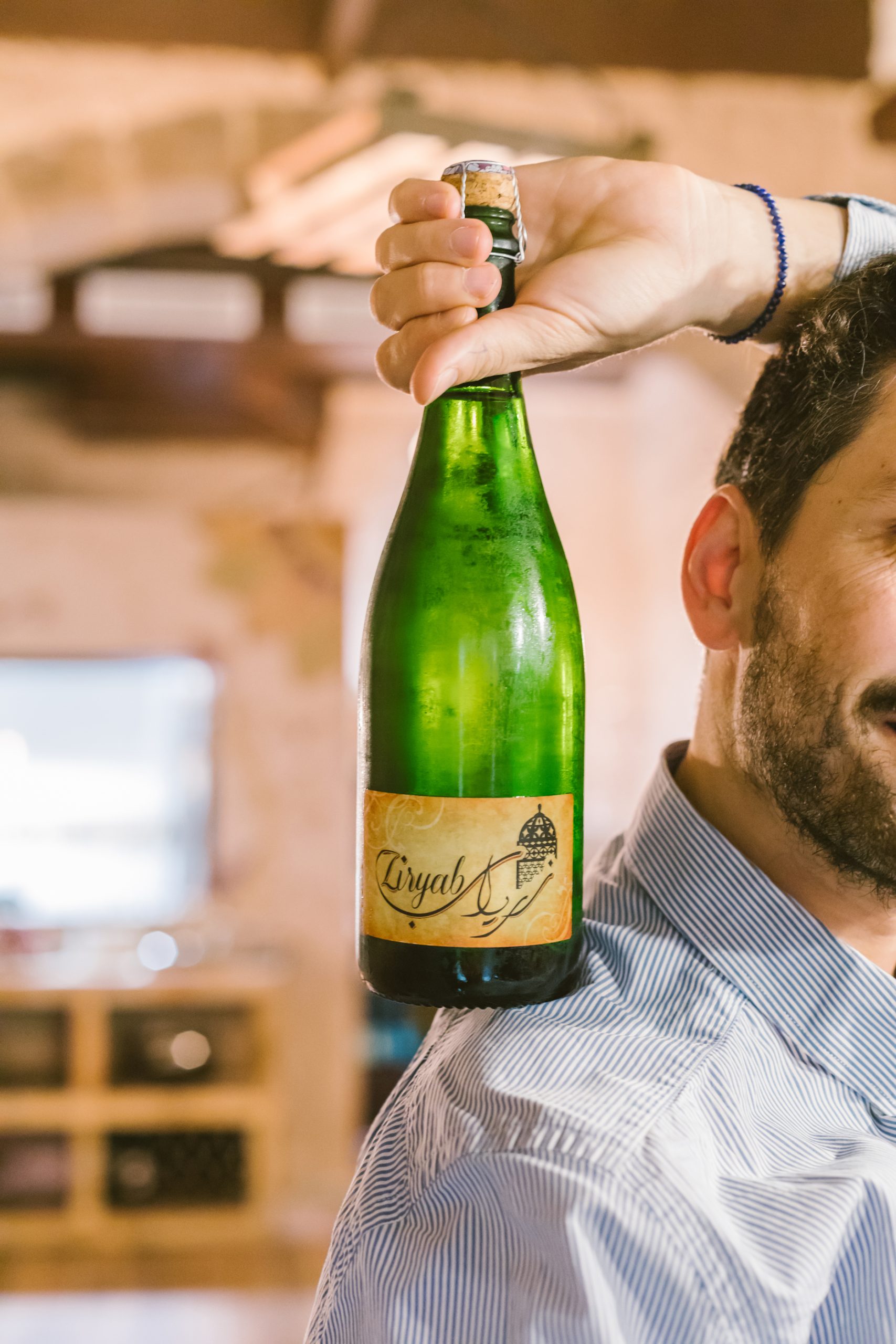
Artisanal vermouth is experiencing its golden age in Barcelona. Far from being just an aperitif, it has become a social ritual that connects centuries-old wineries, small cooperatives, and creative bars like Ziryab. In this guide, we bring together everything you need to master its universe: origin, aromatic styles, essential routes, and pairings with select bites that enhance every nuance.
Origin and rebirth of artisanal vermouth
The word vermouth comes from the German wermut (wormwood), the herb that gave character to the first formulas of wine macerated with botanicals. Catalonia adopted it in the mid-19th century; the wineries in the Sant Antoni neighborhood sold liters in bulk that the locals drank on Sundays before eating. With the emergence of soft drinks and beers, its consumption decreased, but the craft wave of the last decade has rescued it. Today, micro-producers create limited batches with local grapes—macabeo, xarel·lo, white grenache—organic cane sugar, and locally sourced botanicals.
Flavor profiles: how to identify them
Vermouth is classified by its sugar level and aromatic profile. Recognizing these categories helps to choose the ideal aperitif:
- Catalan red: mahogany color, medium sweetness, and bitter notes of wormwood and gentian; hints of cinnamon, vanilla, and orange peel.
- Dry white: straw-colored, residual sugar < 30 g/l; Mediterranean herbs (rosemary, thyme), white pepper, and a saline finish prevail.
- Mediterranean rosé: rosé grenache base, red fruits, and slight citrus bitterness; ideal for those seeking floral freshness.
- Aged reserve: aged in oak or chestnut for a minimum of 12 months; toasted caramel, nuts, and sweet spices on a balsamic background.
The vermouth route in Barcelona: neighborhoods and wineries
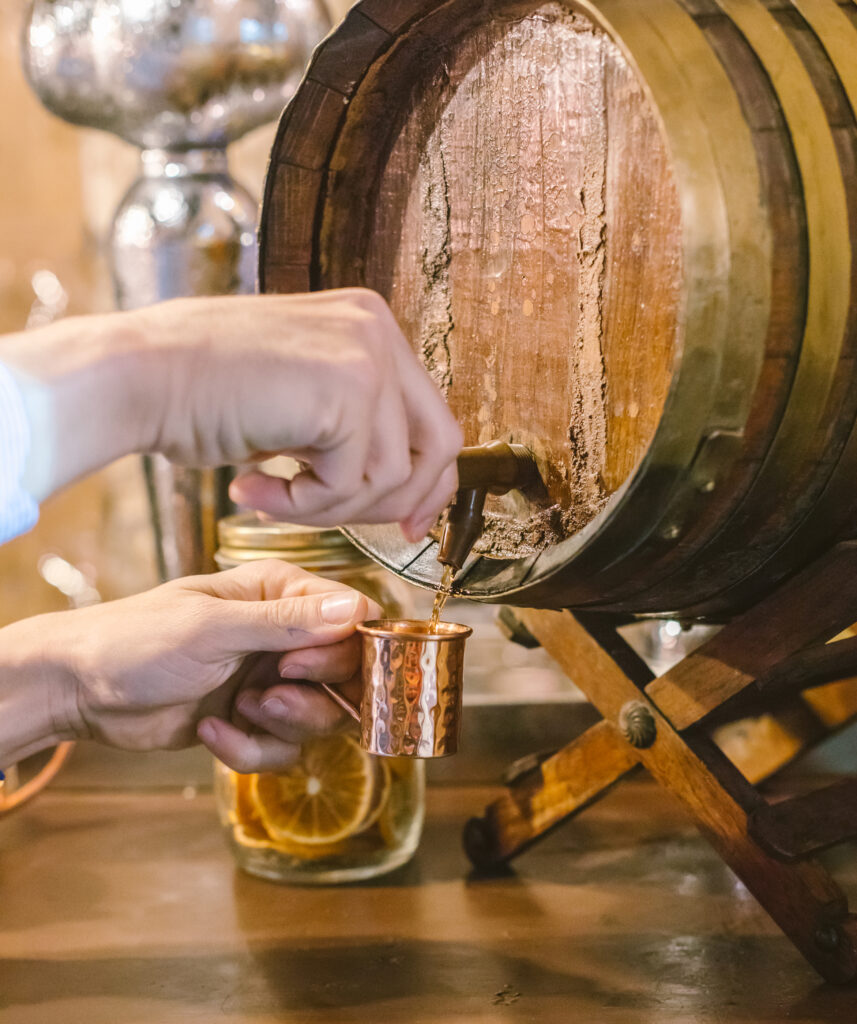
From Gràcia to Poblenou, the city displays taverns with their own taps and small vermuterías where it is served directly from the barrel. Sant Antoni maintains the Sunday tradition; in Poble-sec, the venues alternate modernist labels with urban murals; El Born, our neighborhood, draws from the port heritage and reinterprets it with local ingredients.
Must-see stops
- Bodega 1900 in Paral·lel, a project by the Adrià brothers that vindicates old recipes.
- Casa Mariol in the Eixample, known for its black vermouth made from macabeo grapes and 160 botanicals.
- Vermutillo del Born, in front of Santa Maria del Mar, with a 600 L oak barrel that provides an almondy touch.
- Ziryab, where the cocktail shaker fuses mixology and tradition: every Sunday we tap a different keg for guided tastings.
The ritual of “fer el vermut” at Ziryab
At our bar, we serve vermouth at 6 °C in a low glass, with a solid ice cube, blood orange peel, and arbequina olive stuffed with almond. Each round is accompanied by aromatic whispers: we spray wormwood essence on the rim of the glass to intensify the retronasal phase. The bottles are stored vertically, in an underground cellar at 14 °C and controlled humidity, and we rotate stock weekly to always serve recent batches. Those who want to delve deeper can book the Vermouth & Bites Experience (https://ziryab.es/).
Gourmet appetizers that harmonize with each vermouth
- Catalan red + anchovy, piparra pepper, and olive gildas: the bitter-sweetness balances the marine salinity.
- Dry white + steamed cockles with lemon zest: the acidity enhances the iodine without masking the white pepper of the vermouth.
- Mediterranean rosé + mini goat cheese and rose petal jam toasts: red fruits, flowers, and creaminess in full synergy.
- Aged reserve + Iberian pork tataki with rosemary: the wood and caramelized touches embrace the noble fat and the marked herbal notes.
Service, conservation, and mistakes to avoid
The volatiles in the drink are fragile. Storing the bottle on a high shelf in the refrigerator between 5 °C and 8 °C prolongs its freshness for three weeks after opening. Avoid leaving it on the countertop exposed to light; heat degrades the chlorophyll and generates premature oxidation odors. Always use an airtight stopper or light vacuum pump.
Vermouth and health: moderation as key
Moderate consumption (a glass of 90-100 ml) fits into the Mediterranean diet thanks to the polyphenols in the base wine and the digestive properties of wormwood and gentian. The Catalan Institute of Vine and Wine details the benefits of these antioxidant compounds in 2024 studies (https://incavi.gencat.cat).
Ziryab artisanal vermouth: where and how to try it
Our rotating menu includes four fixed and two seasonal references. This month we highlight:
- Ziryab Red Blend: macabeo and granacha tintorera, macerated with clove, coriander, and green tangerine peel.
- Ziryab White Dry: unfiltered xarel·lo, infused with wild rosemary and elderflower.
- Col·laboració Empordà: reserve vermouth made from white grenache aged in chestnut for 14 months.
Book your Sunday table, order the artisanal vermouth flight (https://ziryab.es/) and let our sommelier guide you on a journey of contrasts that ends with a small savory dessert with AOVE.
Conclusion
Barcelona is experiencing a second vermouth renaissance. Mastering its profiles, taking care of its service, and pairing it with bites designed for each nuance turns a simple aperitif into a complete cultural experience. At Ziryab, we honor that legacy with local bottles, educational tastings, and gourmet appetizers that showcase the Mediterranean richness in every sip and bite. Come to El Born, raise your glass, and toast with us to history, innovation, and flavor. Salut!