
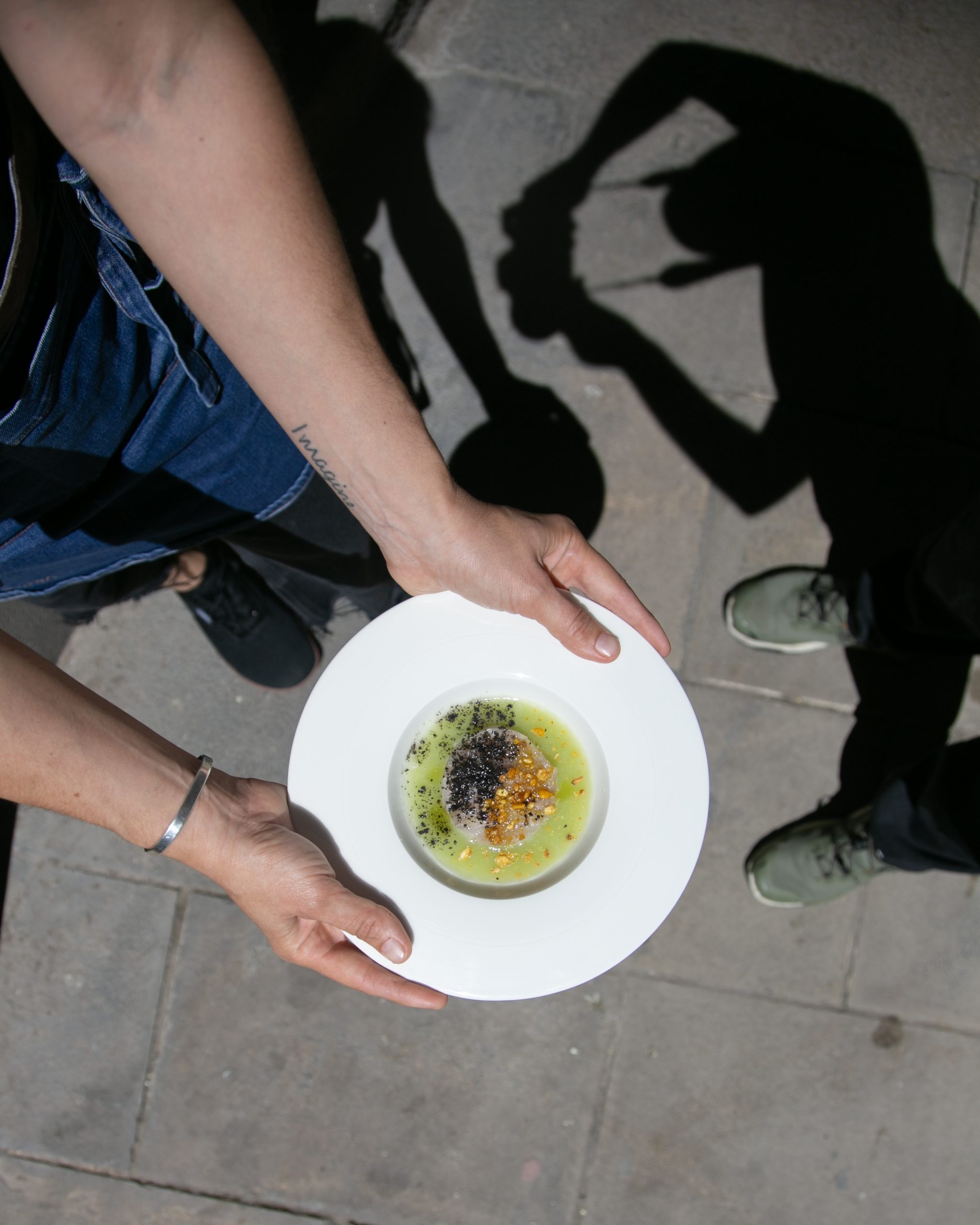
Concern for the environment and public health has made sustainability a fundamental axis of current gastronomy. In this context, zero kilometer – the use of ingredients produced within a maximum radius of 100 km – is presented as a responsible and desirable practice for both cooks and diners.
What is zero kilometer and why does it matter?
The zero kilometer concept involves working directly with nearby farmers and producers, minimizing the ecological footprint associated with transportation, reducing intermediaries, and supporting the local economy. This practice:
- Reduces CO2 emissions, since food travels very short distances.
- Strengthens the economy of the environment, revaluing the work of producers and artisans.
- Preserves native varieties, defending local agricultural biodiversity.
- Improves flavor and freshness, since the ingredients arrive at their optimum point and without prolonged refrigeration.
It also promotes the use of seasonal products. This forces the chef to adapt, give up out-of-season ingredients, and rediscover recipes that connect with the environment and the natural calendar.
Selecting local and seasonal ingredients for tapas
Creating tapas based on local and seasonal products elevates gastronomy to an authentic experience. Here are strategies and examples to apply it successfully.
Know the calendar of your environment
Nothing is more powerful than a chef who knows what the garden or the sea offers at all times. For example:
- Spring: asparagus, artichokes, strawberries, broad beans.
- Summer: tomatoes, peppers, melons, sardines.
- Autumn: mushrooms, chestnuts, pumpkin, pomegranates.
- Winter: cabbages, celery, fish from the fish market.
This not only optimizes flavor and freshness, but also communicates to the diner a conscious cuisine connected with nature.
Network of local producers
Like Fina Puigdevall in Les Cols (La Garrotxa, Girona), who cultivates her own garden, takes care of chickens and collaborates directly with local farmers and ranchers. One way to follow her philosophy:
- Visit local markets or directly to nearby farms.
- Sign trust agreements with farmers who supply you weekly.
- Consider growing your own aromatic herbs (basil, rosemary, thyme).
Design tapas that tell stories
It is not enough to serve a montadito. Connect with the client by narrating:
- Who produces it: “This pepper from Marta’s Orchard, 15 km away…”
- Why is it at its peak: “We picked it this morning”.
- How it benefits its environment: “With it you support families in the area and protect native varieties”.
Personified example:
Imagine Marta, a ramellet tomato producer, who traditionally keeps her seeds. Her tomato is only grown from April to June, and she has managed to make it almost completely disappear. With very few kilos, she recovers an endangered variety and offers a flavor so sweet that in a tomato tapa with salt and oil it reaches another level.
Examples of sustainable tapas with zero kilometer
Ramellet tomato montadito with black salt
- Ingredients: ramellet tomato (same day), sourdough bread from local bakery, extra virgin olive oil from the valley.
- Story to tell: Marta’s tomato, Xavi’s bread and olive oil from nearby olive grove.
Roasted pepper skewer with anchovies from the fish market
- Local ingredients: pepper from Pau’s garden and anchovy bought directly from the local fisherman.
- Story: emphasizes small-scale fishing – sustainable, local – and the traditional cultivation of pepper.
Wild mushroom and local sobrasada croquette
- Seasonal mushrooms (autumn); sobrasada from pigs raised in freedom by a farmer in your area.
- Explain that sobrasada is a traditional sausage, without additives, and fresh thanks to the short treatment between origin and table.
Glass of melon and ham with aromatic herbs
- Summer melon (freshly harvested) and ham from the Montserrat valley itself.
- Herbs from the own garden (lemon, mint).
- Narrate the seasonal origin to transmit context, affective link with the local.
Communicating the value of sustainability to the client
Many times the importance of communication is underestimated. If you don’t show that value, the customer doesn’t perceive it. Here are several ways to do it effectively:
Letter and clear signage
- Includes “Km 0” icons next to dishes: according to Slow Food, a minimum of 40% of the ingredients must come from less than 100 km.
- Add brief descriptions: “roasted pepper (Pau’s garden, picked today) with anchovy from the fish market”.
Staff training
- It is key that the team can tell the story of the product, its origin, who cultivates it and how it is worked.
- This generates greater proximity with the diner, enriching the experience.
Themed menus and events
- “Autumn season” menu: cocas with mushrooms and chestnuts, Mediterranean cabbage creams, etc.
- Km 0 Nights or live showcookings: invite the producer to tell, in person, his way of working.
Social networks and storytelling
- Post photos of your garden or visits to the fish market or farm.
- Introduce the producer of the month, showing his work and explaining why you choose him.
- Share sustainable metrics: reduction of km transported, reduction of plastics, kilos of compost generated… publish these figures.
Benefits for the business and the client
For the business
- Brand differentiation: the km 0 seal implies reputation and originality.
- Cost reduction: fewer intermediaries, direct relationships, less packaging.
- Less waste: when working season to season, less unnecessary surplus.
- Alliances with producers: help generate community and build loyalty.
For the client
- Authentic experience, with local flavors and freshness.
- Total transparency in the origin and process of the food.
- Ethical well-being: they know that with their consumption they support sustainability and the rural economy.
- Gastronomic education: they learn about natural cycles, biodiversity and local culture.
How to put it into practice step by step
- Map of local product
Locate farmers, fishermen, bakers and winemakers within <100 km. - Season calendar
Build your own chart by weeks to know what to use each month. - Without intermediaries
Agree on weekly deliveries, with fair and transparent prices. - Urban or collaborative garden
Ask for pebbles from your bar to grow aromatic herbs; it is symbolic and emotional. - Create history and brand
Signs, letters, labels, networks: everything communicates a sustainable experience. - Train the team
Roles of “Km0 ambassador”: cook or waiter responsible for communicating the origin of the ingredients. - Evaluate results
Measure transported footprint, packaging savings, kilos of surplus, attendance at events… publish these figures.
Closing: cooking with conscience is an act of love
In short, the commitment to sustainability and zero kilometer transcends the kitchen. It is a path that connects people, territory and memory. Selecting local and seasonal ingredients for tapas not only improves the culinary experience, but also fosters a stronger community, produces less environmental impact and respects tradition.
When a diner enjoys a ramellet tomato montadito picked first thing in the morning, wrapped in artisan bread from 30 km away and sprinkled with olive oil recovered from a centuries-old estate, he is not just eating: he is celebrating the identity, the culture and the future of its environment.
Recap
| Element | What it means on the table |
| Kilometer 0 | Ingredients from <100 km, reduced transport and carbon |
| Season | Optimal flavor, dynamic recipes, connection with cycles |
| Relationship with producers | Transparency, fair price, loyalty |
| Active communication | Seal, narrative in letter, staff training |
| Shared benefits | Unique flavors, community, rural cohesion and sustainable commitment |