
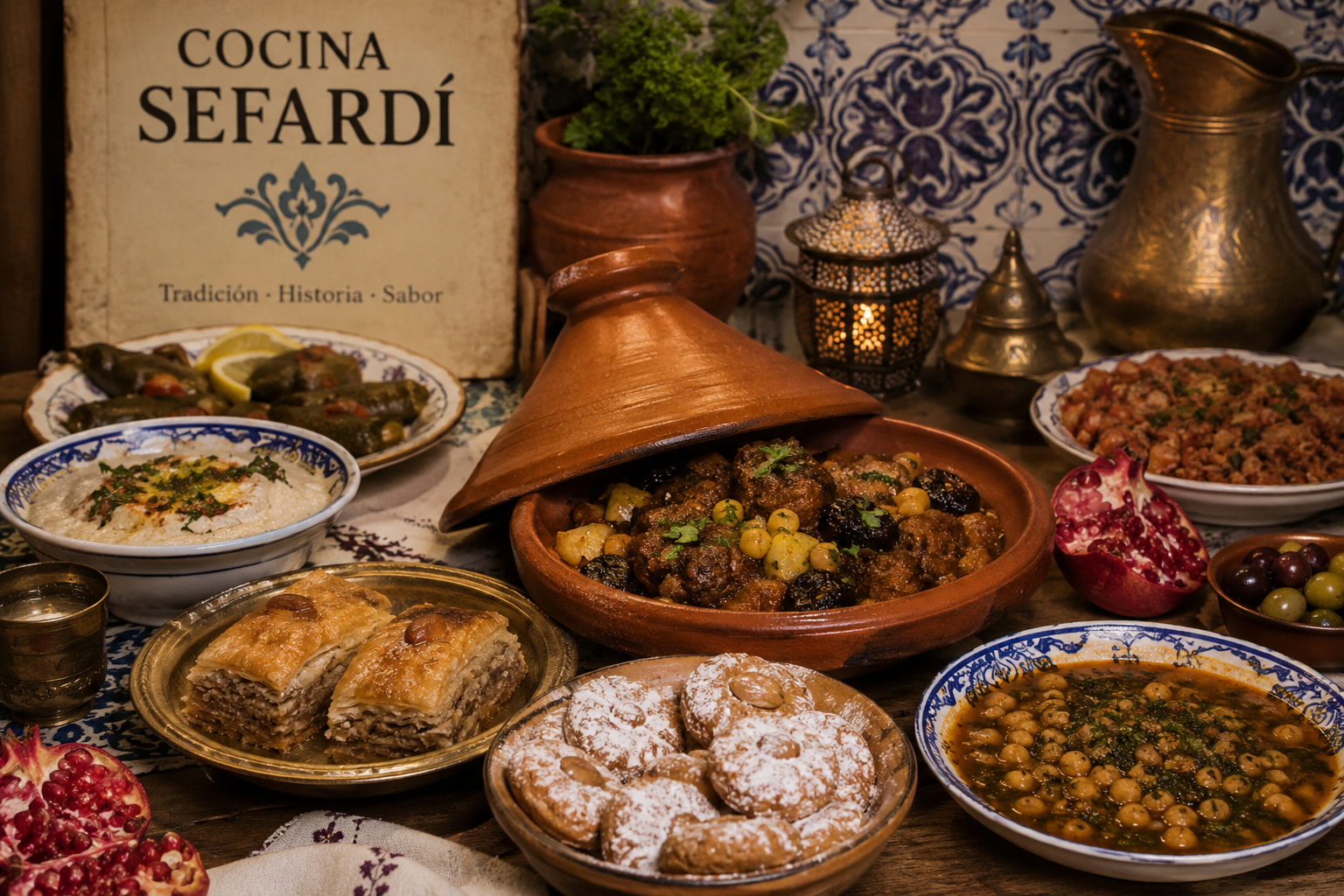
“`html id=”eng-sefardic-post”
Barcelona is a city built from cultural encounters. Over the centuries, peoples, traditions, and cuisines have left their mark on a unique culinary identity that continues to evolve today. Among these historical influences lies a fascinating heritage that often goes unnoticed: Sephardic cuisine.
Talking about Sephardic cuisine in Barcelona means talking about memory, cultural exchange, and a gastronomic tradition that has survived the passage of time thanks to recipes, ingredients, and techniques passed down from generation to generation. Many of the flavors we now consider characteristic of Mediterranean cuisine are deeply connected to the legacy of Sephardic Jewish communities who lived in the Iberian Peninsula before their expulsion in 1492.
But what exactly is Sephardic cuisine? How is it related to Catalan gastronomy? And why does it continue to attract so much interest among those seeking authentic culinary experiences in Barcelona?
What is Sephardic cuisine and why is it part of Mediterranean history
Sephardic cuisine is the set of culinary traditions developed by Sephardic Jews, descendants of the Jewish communities that lived for centuries in Spain and Portugal.
After the expulsion at the end of the 15th century, many Sephardic families settled in different regions of the Mediterranean, especially in:
- Turkey
- Greece
- Morocco
- Israel
- The Balkans
- The Middle East
Despite geographical distance, they preserved parts of their customs, language, and above all, their cuisine.
This cuisine is characterized by an extraordinary combination of Mediterranean ingredients, Eastern spices, and techniques inherited from the Iberian tradition. Therefore, when we talk about Sephardic Mediterranean gastronomy, we are talking about a cuisine that connects three worlds:
- Hispanic tradition
- Mediterranean culture
- Levantine influences from the Near East
The result is a rich, aromatic culinary tradition deeply rooted in history.
The Sephardic presence in Barcelona throughout history
To understand the relationship between Barcelona and Sephardic cuisine, we must look to the past.
During the Middle Ages, there were important Jewish communities in Catalonia. The “Call de Barcelona,” the city’s former Jewish quarter, was one of the most significant cultural and economic centers of its time.
Jewish families lived alongside Christians and Muslims, creating a constant exchange of knowledge, agricultural products, and culinary traditions.
Many ingredients that are common today were already part of daily diets:
- Olive oil
- Almonds
- Figs
- Honey
- Legumes
- Aromatic herbs
- Dried fruits
This cultural exchange helped enrich Catalan cuisine and establish a Mediterranean gastronomic identity based on fresh products and simple but flavorful recipes.
Although the Sephardic community officially disappeared after the expulsion, many influences remained integrated into local culinary culture.
Sephardic influence on Catalan cuisine
One of the most interesting aspects of studying the Sephardic influence on Catalan cuisine is discovering how many elements are still present today.
Although it is difficult to attribute specific recipes exclusively to the Sephardic legacy, shared culinary patterns can clearly be identified.
Extensive use of olive oil
Olive oil is one of the pillars of Mediterranean cuisine and also a fundamental element of Sephardic gastronomy.
Both in Catalonia and in Sephardic communities across the Mediterranean, olive oil is used for stews, preserves, vegetables, fish, and traditional pastries.
Importance of vegetables and legumes
Eggplants, chickpeas, lentils, and broad beans hold a privileged place in both traditions.
Sephardic cuisine developed numerous recipes where vegetables are the main protagonists, a feature shared with many traditional Catalan dishes.
Sweets made with honey and nuts
The combination of almonds, walnuts, cinnamon, and honey appears frequently in both Sephardic cookbooks and historical Catalan preparations.
This connection shows how the Mediterranean shared a common gastronomic culture for centuries based on similar ingredients.
Key ingredients of Sephardic Mediterranean cuisine
One of the most recognizable traits of this culinary tradition is the quality and simplicity of its ingredients.
Dried fruits
Raisins, dates, and figs provide natural sweetness to many dishes.
Nuts
Almonds and pine nuts appear in both savory and sweet recipes, adding texture and depth of flavor.
Aromatic spices
Although Sephardic cuisine is not usually extremely spicy, it uses spices that enrich its aromatic profile:
- Cinnamon
- Cumin
- Pepper
- Saffron
- Clove
Mediterranean vegetables
- Eggplant
- Zucchini
- Bell pepper
- Onion
- Tomato
Fish and meat
Depending on the region where Sephardic communities settled, recipes were developed with fish, lamb, or poultry, always respecting traditional Jewish dietary laws.
Traditional Sephardic recipes that continue to delight
The richness of this cuisine can be seen in some of its most well-known dishes.
Stuffed eggplants
Eggplants occupy a central place in Sephardic gastronomy. They are stuffed with vegetables, rice, or meat and perfectly represent the connection between the Middle East and the Mediterranean.
Sephardic fritters
Present in various family celebrations, they can be prepared in both sweet and savory versions.
Spinach and cheese pastries
They combine simple ingredients with techniques passed down through generations.
Haminados eggs
Slow-cooked for hours, they develop a very distinctive texture and flavor.
Almond and honey sweets
One of the most recognizable expressions of Jewish Mediterranean cuisine, closely related to other traditional Mediterranean desserts.

Jewish Mediterranean cuisine and its connection to the Middle East
Sephardic cuisine is one of the best examples of how cultures evolve without losing their roots.
After leaving the Iberian Peninsula, Sephardic communities incorporated new ingredients from Turkey, Syria, Lebanon, Greece, and Morocco.
However, they preserved culinary techniques they had practiced for centuries.
For this reason, many experts consider Sephardic gastronomy a true bridge between Spanish cuisine and the flavors of the Eastern Mediterranean.
It shares the same passion for fresh vegetables, aromatic spices, olive oil, legumes, and seasonal products.
Why Sephardic cuisine is gaining renewed interest in Barcelona
In recent years, there has been growing interest in culinary experiences connected to history and cultural identity.
Travelers no longer seek only good food. They also want to understand the origins of dishes and the stories behind them.
Sephardic cuisine fits perfectly into this trend because it offers:
- Tradition
- Authenticity
- Cultural heritage
- Gastronomic diversity
- Historical connection to Barcelona
It also aligns with the growing interest in healthy Mediterranean cuisines based on natural ingredients.
Barcelona, a meeting point of gastronomic cultures
Few cities better represent Mediterranean diversity than Barcelona.
Throughout its history, it has received influences from Catalonia, Andalusia, Italy, France, Greece, North Africa, and the Middle East.
This cultural blend has turned the city into an internationally recognized gastronomic destination.
Therefore, exploring Sephardic heritage within Barcelona’s culinary context is particularly meaningful. It helps us understand how different traditions have shaped the city’s current gastronomic identity.
Mediterranean flavors still present in today’s cuisine
Many characteristics of Sephardic cuisine remain fully present in contemporary gastronomy.
The focus on fresh ingredients, the prominence of vegetables, and the balance between simplicity and sophistication are values that have returned to the center of culinary trends.
In Barcelona, there is increasing appreciation for gastronomic proposals that connect different Mediterranean cultures, reviving traditional ingredients and reinterpreting them with a modern approach.
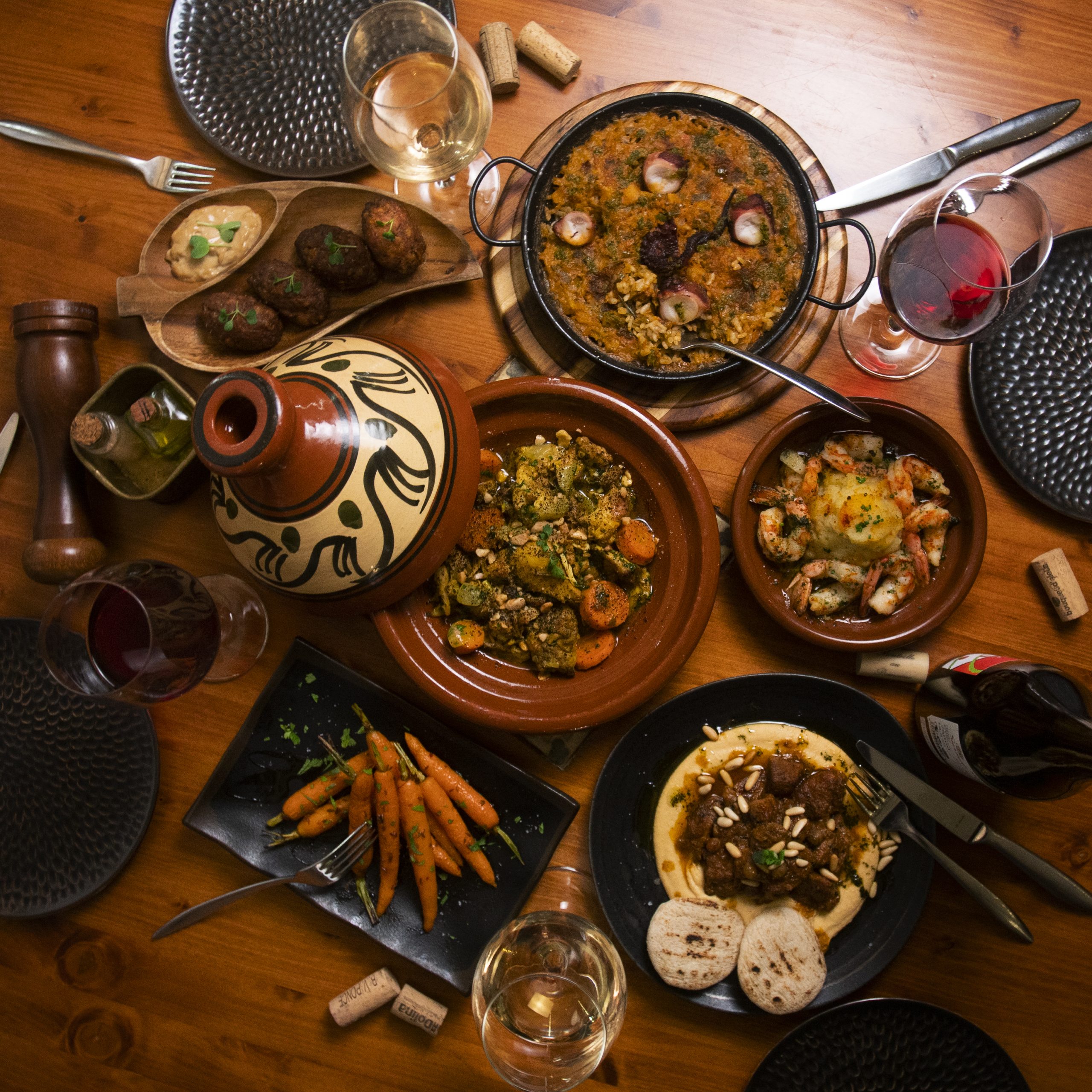
Those who wish to explore this culinary richness can discover proposals inspired by Mediterranean and Eastern flavors that are part of the city’s gastronomic identity. If you are looking for an experience where tradition and creativity meet at the table, you can explore the best tapas mediterraneas barcelona and see how cultural influences continue to inspire contemporary cuisine.
Sephardic heritage as a living gastronomic legacy
Sephardic cuisine is much more than a collection of old recipes.
It represents the memory of communities that preserved their identity through food. Every dish, ingredient, and technique tells a story of resilience, adaptation, and cultural exchange.
Barcelona, as an open Mediterranean city, is an ideal place to rediscover this culinary heritage.
Understanding Sephardic influence on Catalan cuisine helps us better appreciate the cultural richness that has shaped modern gastronomy.
Conclusion
Sephardic cuisine in Barcelona offers a unique window into the gastronomic history of the Mediterranean. Its legacy remains present in ingredients, techniques, and flavors that are part of our everyday culinary culture.
From the old Call of Barcelona to today’s modern gastronomic proposals inspired by Mediterranean diversity, Sephardic heritage remains alive, offering a unique perspective on the relationship between tradition, identity, and cuisine.
Discovering this cuisine is a journey through centuries of history, where Catalonia, the Middle East, and the Mediterranean meet around the same table. And that is precisely its greatest strength: showing that food is one of the most powerful ways to preserve memory and connect cultures.
“`