
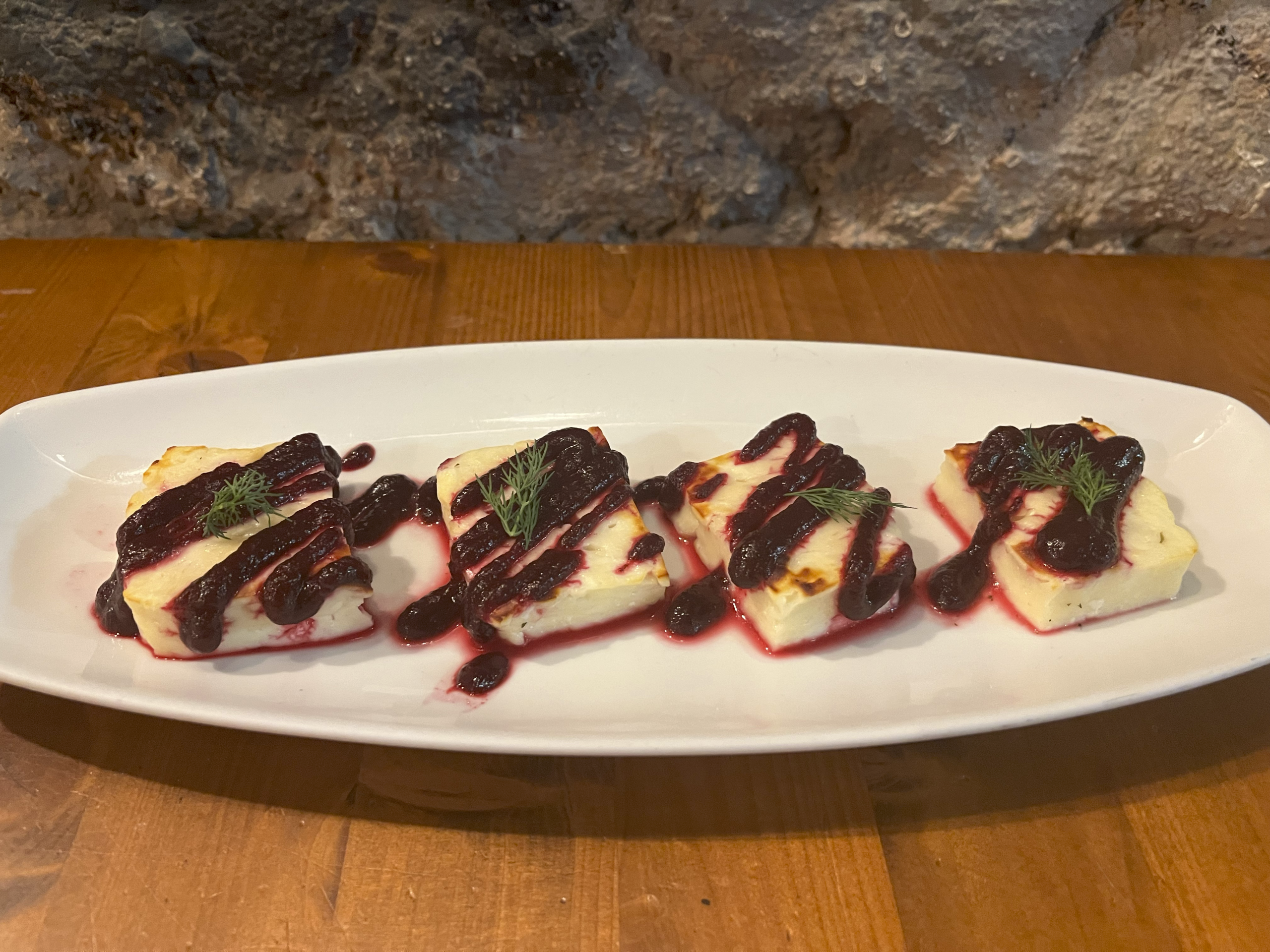
Tapas, one of the most recognized emblems of Spanish gastronomy, have evolved from simple accompaniments to authentic culinary works of art. In Barcelona, a cosmopolitan and vibrant city, tapas are much more than food: they are a way of life. This historical and cultural journey shows how tapas have transitioned from their traditional roots to the most avant-garde creations.
The Origins of Tapas: A Tradition with History
The concept of tapas was born as a practical and simple solution. During the Middle Ages, they emerged as small portions of food that were placed on glasses of wine to prevent dust or insects from contaminating them. Hence the term tapa, which means “cover.”
In Catalonia, traditional tapas adopted local elements such as:
- Pa amb tomàquet (bread with tomato).
- Anchovies, olives, and cured meats.
These were affordable and accessible options, served in taverns as an accompaniment to a drink.
Main Characteristics of Traditional Tapas in Barcelona
- Simplicity: Simple dishes made with basic ingredients.
- Local ingredients: Use of native products such as olive oil, salted fish, and cured meats.
- Socialization: Tapas were born as an element to share and coexist.
Iconic examples of traditional tapas:
- Bombas de la Barceloneta: Meat-filled croquettes, originally from this fishing district.
- Esqueixada: Salt cod salad with tomatoes, peppers, and olives.
- Calamares a la romana: A staple in any Barcelona tavern.
The Popularization of Tapas in the 20th Century
With the rise of tourism in Barcelona during the 50s and 60s, tapas acquired a new prominence. The city became a showcase of Spanish culture, and tapas went from being simple accompaniments to complete gastronomic experiences.
Notable Transformations
- Variety: Incorporation of new tapas, such as garlic shrimp and patatas bravas.
- Atmosphere: Tapas bars became epicenters of nightlife.
- Gastronomic identity: Tapas were consolidated as a culinary emblem of Barcelona.
The Tapas Revolution: From the 20th to the 21st Century
In recent decades, tapas have undergone an authentic culinary revolution. Innovative chefs have reinterpreted these dishes, mixing modern techniques, international ingredients, and artistic presentations.
Key Factors of Innovation
- The influence of haute cuisine: Figures such as Ferran Adrià, Joan Roca, and Albert Adrià transformed tapas into small works of art, using techniques such as spherification and molecular cuisine.
- Fusion of international flavors: Asian, Latin American, and Nordic ingredients and styles were integrated into tapas.
- Sensory experience: Beyond the flavor, texture and presentation were prioritized.
Examples of innovative tapas:
- Oysters with citrus spherification: Combination of fresh seafood and molecular techniques.
- Foie gras bites with cotton candy: An unexpected mix of sweet and savory.
- Mediterranean-inspired ceviche: Local seafood fused with Peruvian citrus fruits and spices.
Key Bars and Restaurants in the Evolution of Tapas
Barcelona is home to a diversity of establishments that exemplify this evolution:
- El Quim de la Boquería: Traditional tapas with a contemporary touch.
- Tickets Bar: Haute cuisine by Albert Adrià.
- Bar Cañete: Fusion of classic and modern.
- Disfrutar: Restaurant with Michelin stars and avant-garde techniques.
The Impact of Innovation on Tapas Culture
The transformation of tapas has significantly influenced the cultural and tourist identity of Barcelona.
Significant Changes
- Gastronomic tourism: The city is a top-level destination for tasting innovative tapas.
- Revaluation of local ingredients: Chefs highlight the importance of native products.
- Global popularization: Barcelona tapas have inspired restaurants around the world.
Tradition and Innovation: A Harmonious Coexistence
Barcelona has managed to balance respect for traditional recipes with the exploration of new culinary possibilities.
Examples of this coexistence:
- Classic tapas with modern touches: Bombas served with innovative sauces.
- Diversity of environments: From neighborhood bars to Michelin restaurants.
- Markets as epicenters: La Boquería and Sant Antoni combine tradition and innovation.
Conclusion
The evolution of tapas in Barcelona is a fascinating journey that reflects the city’s ability to adapt, reinvent itself, and surprise. From the humble roots of tradition to the most avant-garde creations, Barcelona tapas are a manifestation of culture, creativity, and flavor.
Are you ready to explore this exciting world of culinary contrasts?
Cheers and bon appétit!