
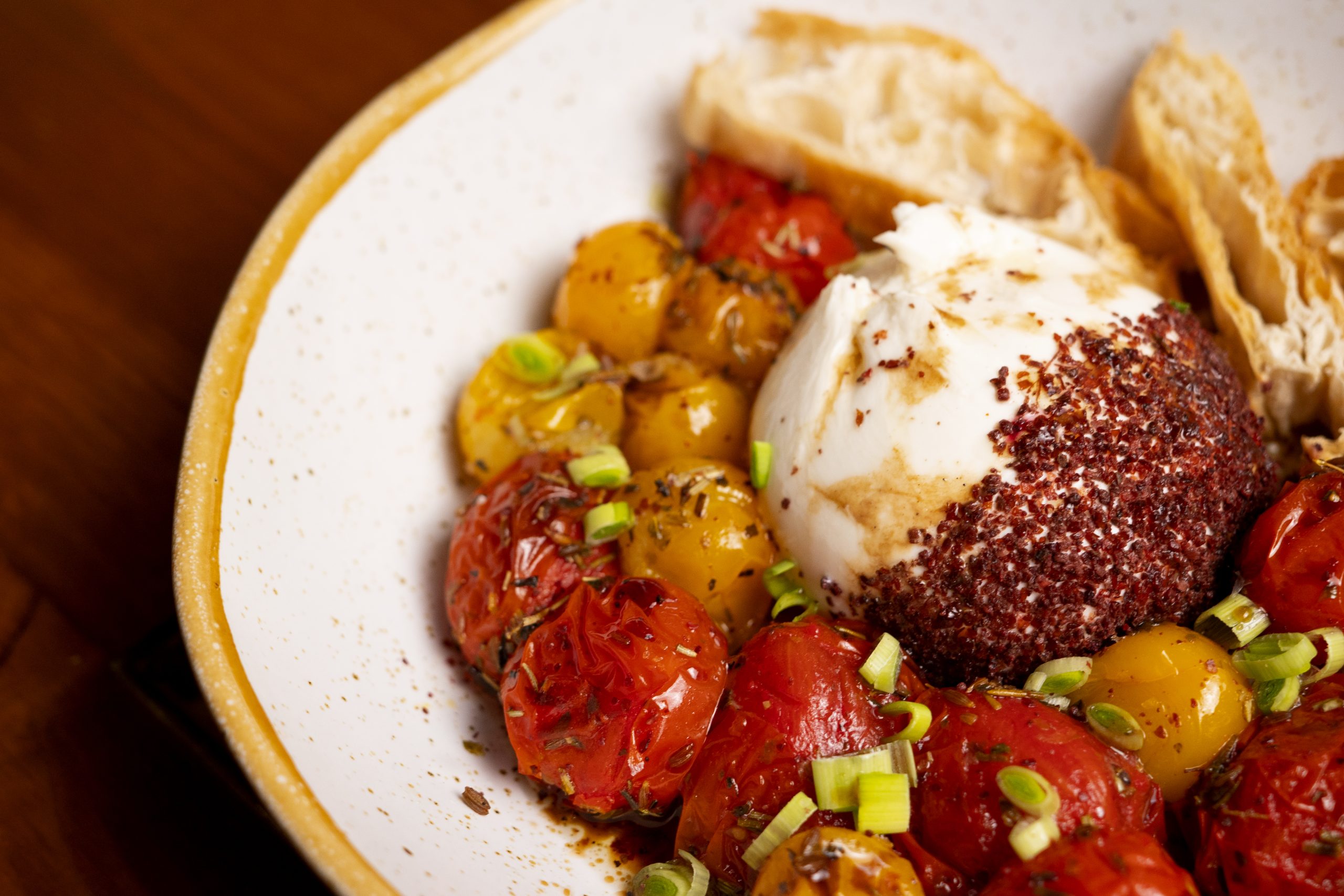
Catalan gastronomy, renowned for its richness and diversity, is a reflection of centuries of history, cultures, and traditions. Among the most notable influences that have shaped its cuisine is the Mediterranean contribution, a heritage that remains alive in the flavors and techniques we find today. The combination of Mediterranean spices with local ingredients creates unique blends that elevate each dish, turning it into an unforgettable sensory experience. In this article, we will explore how this historical influence has given rise to such a distinctive cuisine.
A Journey to the Origins: The Mediterranean Influence in Catalonia
The Mediterranean influence on the Iberian Peninsula, including Catalonia, began with cultural exchanges spanning from Roman times to the Middle Ages. This legacy left an indelible mark on the local cuisine. Cultures such as the Arab one brought with them ingredients, advanced agricultural techniques, and spices that not only diversified the local diet but also transformed the way food was prepared and seasoned.
Among the most outstanding contributions are spices such as cumin, cinnamon, saffron, and turmeric, as well as ingredients such as almonds, honey, citrus fruits, and rice. These contributions merged with local products to create a cuisine rich in contrasts, where sweet and savory intertwine in perfect harmony.
Key Ingredients in the Catalan-Mediterranean Fusion
Aromatic Spices
Mediterranean spices add depth and complexity to Catalan dishes. Among the most prominent are:
- Cinnamon: Used in both sweet and savory dishes, such as the emblematic escudella, where its sweet touch balances the intense flavors of the meat.
- Cumin: Present in stews and legume dishes such as cigrons amb espinacs (chickpeas with spinach).
- Saffron: A luxury present in iconic dishes such as fideuà and paella, where it provides its golden color and unmistakable aroma.
Nuts and Honey
Nuts, such as almonds and hazelnuts, and honey are key elements in Catalan cuisine thanks to Mediterranean influences. Notable examples include:
- Picada Catalana: A mixture of almonds, garlic, and bread, used as a thickener and flavor enhancer in stews and soups.
- Desserts like Coca de Miel: This sweet cake combines honey and nuts, reflecting the Mediterranean tradition.
Citrus Fruits
Introduced by Mediterranean cultures, citrus fruits such as oranges and lemons have left a lasting legacy. They are not only used in desserts but also to balance savory dishes such as bacallà a la llauna (baked cod).
Catalan Dishes with Mediterranean Influence
- Escudella i Carn d’Olla
This traditional Catalan dish includes spices such as cinnamon, a Mediterranean contribution that transforms a simple broth into a complex and aromatic experience. - Salsa Romesco
With Mediterranean roots, this sauce combines almonds, dried peppers, and spices, reminiscent of traditional North African sauces. - Berenjenas con Miel
A classic that combines Catalan tradition with Mediterranean influences, where fried eggplants are bathed in honey for a perfect balance between sweet and savory. - Arroz Caldoso
The prominence of rice in the Catalan diet is due to Mediterranean agricultural techniques. Brothy and dry rice dishes stand out for their use of saffron and spices. - Panellets
These marzipan sweets, typical of the All Saints’ Day festivities, combine ground almonds and sugar, a tradition influenced by Mediterranean sweets.
The Philosophy of Sweet and Savory: A Mediterranean-Catalan Heritage
One of the most fascinating aspects of Catalan-Mediterranean cuisine is the balance between sweet and savory flavors. This approach is observed in dishes such as pollastre amb prunes (chicken with plums) and xai amb mel i fruits secs (lamb with honey and nuts). This style of cooking results in harmonious and complex dishes.
Ziryab Restaurant: A Mediterranean-Catalan Fusion Experience
In the heart of Barcelona, Ziryab stands out as a place where this heritage is celebrated with creativity. This restaurant combines Mediterranean and Catalan techniques with traditional spices and ingredients, offering a unique experience for lovers of fine dining. From spiced stews to desserts with nuts and honey, each dish tells a story of cultural fusion.
Tips for Incorporating Mediterranean Flavors into Catalan Cuisine
- Experiment with Spices: Add cinnamon, cumin, or turmeric to traditional Catalan stews to give them a Mediterranean touch.
- Integrate Nuts: Use almonds and hazelnuts in sauces and garnishes.
- Play with Contrasts: Mix sweet and savory flavors, such as meat with dried fruits or honey.
- Try Traditional Techniques: Cook rice dishes and stews slowly to allow the spices to develop their full potential.
Conclusion: A Living Heritage in Every Dish
The fusion of Mediterranean spices in Catalan cuisine is not only a celebration of history but also proof of the power of gastronomy as a bridge between cultures. From the use of aromatic spices to the integration of nuts and honey, this blend of traditions has given rise to a unique and rich cuisine. Enjoy!