
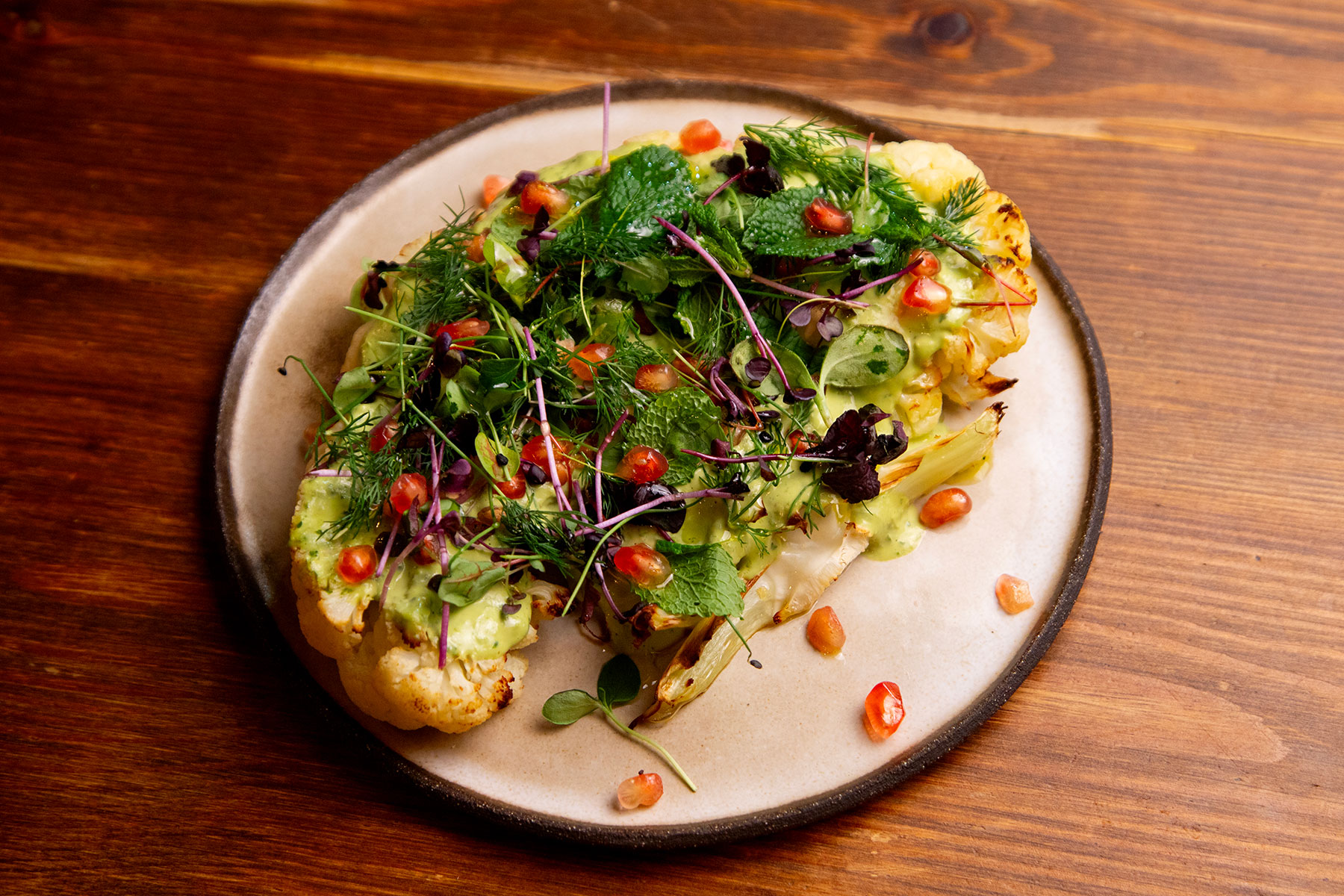
Mediterranean cuisine, known worldwide for its freshness, flavor, and balance, is undergoing a surprising and delicious evolution: the incorporation of seaweed. Ingredients that until recently seemed exclusive to Asian gastronomy are finding their place in our kitchens, traditional dishes, and cutting-edge menus. How did they get here? What benefits do they bring? How are they used?
This article tells you everything. Join us on a journey through the rise of seaweed in Mediterranean cuisine.
From East to West: how seaweed arrived in our kitchens
A story of fusion
For years, seaweed was almost exclusively associated with Japanese cuisine, especially dishes like sushi or miso soup. However, thanks to the work of visionary chefs like Ángel León, Ferran Adrià, or Sergio Bastard, seaweed is now part of Spanish haute cuisine and has gradually filtered into everyday consumption.
These cooks discovered not only the deep umami flavor that seaweed provides but also its versatility in Mediterranean dishes: broths, stews, salads, rice dishes, breads, and even desserts.
From haute cuisine to your table
The key to success lies in its democratization. Galician companies like Porto-Muiños began to market seaweed harvested on the Atlantic coasts, dehydrated, preserved, or fresh, so that anyone could use them at home.
Today you can find packages of wakame, sea spaghetti, or nori in gourmet shops, herbalists, or organic supermarkets. What was once exotic is now commonplace.
Types of seaweed most used in Mediterranean cuisine
Wakame
It has a mild flavor and pleasant texture. It is ideal for introducing yourself to the world of seaweed. It rehydrates in a few minutes and can be incorporated into salads, soups, or tortillas.
Example: amateur chef Marta, from Valencia, prepares a wakame salad with orange, grated carrot, and a touch of toasted sesame. Her family was surprised to discover how well the marine flavor combined with the citrus sweetness.
Kombu
It is a thick seaweed, rich in umami. Widely used to enhance broths and stews, as well as improve the digestion of legumes.
Example: Javier, a fan of spoon dishes, adds a piece of kombu to his chickpeas with spinach. He noticed that the cooking was faster and the flavor was rounder.
Sea spaghetti
It has an appearance reminiscent of an elongated green bean. Its texture is fleshy and its flavor is mild. Rich in iron and fiber.
Example: Laura, a nutritionist in Malaga, uses it in her cold pasta salads along with tomato, basil, and black olives. Her patients adore it for its nutritional value.
Sea lettuce
Bright green and with an intense flavor. It can be used raw in salads or cooked in scrambles and creams.
Example: in a restaurant in Cádiz, chef Antonio integrates it into a cream of zucchini and potato, achieving a unique color and flavor.
Codium (also known as “sea truffle”)
One of the most valued for its intense sea flavor. It is used raw, in tartares, ceviches, or salpicones. Its texture is spongy and delicate.
Example: in La Casona del Judío, Sergio Bastard accompanies a tuna tartare with codium, olive oil, and fleur de sel. An explosion of the sea in every bite.
Dulse
Red seaweed with a high iron content. It rehydrates easily and can be eaten raw or sautéed.
Example: Clara, a vegetarian chef, includes it in tofu stir-fries with vegetables and in Mediterranean miso soups.
Nutritional benefits and sustainability
Nutritional profile
Seaweed is an excellent source of essential nutrients:
- Iodine, important for thyroid function.
- Calcium, iron, magnesium, and potassium, essential for the nervous and skeletal systems.
- Vitamins A, B, C, E, and K.
- Soluble fiber that promotes digestion.
- Some types provide omega 3 and antioxidants.
Warning: The iodine content can be high, so it is advisable not to overdo it and consult in case of thyroid problems.
Sustainable production
Seaweed is cultivated or harvested without the need for fertilizers or pesticides. They absorb CO₂, regenerate marine ecosystems, and require little fresh water.
Real example: Porto-Muiños practices sustainable harvesting in Galicia, respecting natural growth cycles and betting on aquaculture as a model for the future.
How to incorporate seaweed into Mediterranean dishes
Fresh salads
Wakame or sea spaghetti work very well with crunchy vegetables and citrus dressings. Orange, lemon, apple cider vinegar, and extra virgin olive oil are perfect allies.
Creams and purees
Adding kombu or dulse to the base broth intensifies the flavor. Perfect with potato, pumpkin, leek, or zucchini.
Stews
A strip of kombu in a chickpea stew not only improves the texture but also shortens the cooking time and enhances the flavor.
Sandwiches and toasts
Replace bread with nori sheets to create original wraps. Or sprinkle crushed nori over avocado, tomato, and poached egg toast.
Condiments and snacks
Homemade furikake (mixture of nori, sesame, salt) is an ideal condiment for rice, pasta, or eggs. Seaweed salt combines dried seaweed with sea salt and is perfect for meats, fish, or vegetables.
Creative tapas
Spinach croquettes with sea spaghetti, tortilla with wakame, fritters with codium… The possibilities are endless.
Innovative desserts
Agar-agar, obtained from red seaweed, is an ideal vegetable gelling agent for custards, jellies, or jams. Even chocolates with kombu or dulse seaweed are being explored as an umami touch.
Real cases: chefs who have embraced seaweed
Ángel León
Known as the “Chef of the Sea”, he has revolutionized cooking using phytoplankton, fermented seaweed, seaweed salt, and more. He has shown that the Mediterranean diet can still be reinvented with ingredients from the sea.
Sergio Bastard
In his Cantabrian restaurant, he works with codium, sea lettuce, and red seaweed as protagonists, bringing freshness, depth, and sophistication to traditional dishes.
Guty Carvajal
A chef specializing in vegetable cuisine, he has created cauliflower custards with sautéed kombu and red moss, enhancing healthy cuisine with intense marine flavors.
Tips for beginners
- Start in moderation: small amounts are enough to add flavor without saturating.
- Rehydrate carefully: 5 to 10 minutes in warm water is enough.
- Combine with familiar ingredients: tomato, garlic, olive oil, bread, rice, legumes.
- Store dried seaweed well: in airtight containers, away from light and moisture.
- Try, experiment, and repeat: each seaweed has a personality. Find your favorites.
Conclusion
Seaweed has ceased to be a rarity to become a new culinary tool at the service of Mediterranean cuisine. They are healthy, sustainable, tasty, and versatile. Their rise is not a fad but the result of a conscious rediscovery of the sea as a pantry.
Incorporating them into your kitchen will not only enrich your dishes but also connect you with a more respectful and creative way of eating. Start little by little, with curiosity and without fear. The sea is served.