
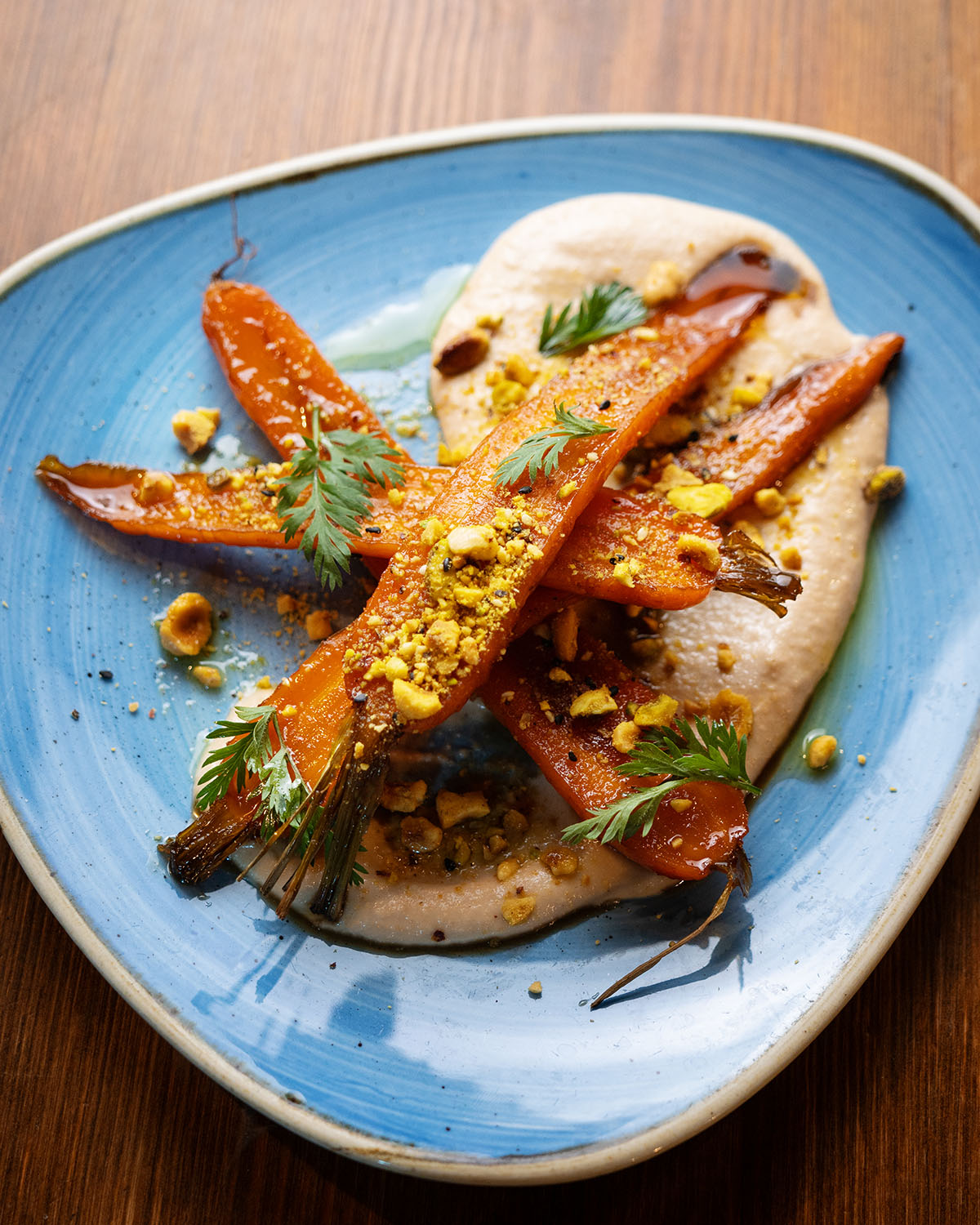
Spices have been silent protagonists in the history of humanity, and the Mediterranean, with its crossroads of cultures, has been the epicenter of their trade and evolution. In Catalan cuisine, Mediterranean spices not only add flavor, but also tell stories of cultural exchange, exploration, and culinary creativity.
In this article, we will explore the origins of the most representative Mediterranean spices, their arrival in Catalonia, and how they have been integrated into the region’s gastronomic richness.
Origins of Mediterranean spices: Bridges between cultures
Since ancient times, the Mediterranean has been a connection between Europe, Asia, and Africa. Spices such as saffron, cumin, cinnamon, and paprika arrived via land and sea trade routes that linked the Middle East with southern Europe.
- Saffron, known as “red gold”, is native to Persia and arrived in the Iberian Peninsula during Arab rule. This spice became an essential ingredient in iconic dishes such as rice and stews.
- Cumin, brought from Egypt and the Middle East, found its place in traditional Catalan recipes, especially in sausages and soups.
- Cinnamon, from Sri Lanka, was introduced by Venetian merchants and later adapted in desserts and sauces.
- Paprika, although now emblematic, has an American origin and was massively adopted after the discovery of America, quickly integrating into Mediterranean cuisine.
Each spice reflects a history of trade and migration that enriched Catalan gastronomy.
Catalan cuisine and its adoption of spices
Catalan cuisine is distinguished by its balance between local ingredients and the strategic use of spices to enhance flavors. Since the Middle Ages, Catalan cookbooks show a careful use of spices that did not seek to mask, but to complement the fresh ingredients of the sea and the land.
Traditional dishes with spices
- Escudella i carn d’olla: One of the oldest dishes in Catalonia, it incorporates herbs and spices such as black pepper and cumin to give depth to the broth.
- Sauces like romesco: This sauce, originally from Tarragona, uses paprika, garlic, and almonds, showing the integration of spices brought from America.
- Crema catalana: This classic dessert is distinguished by its touch of cinnamon and lemon, a combination that highlights the Mediterranean heritage.
In addition, the use of aromatic herbs such as thyme, rosemary, and basil complements the imported spices, reinforcing the connection between the local and the global.
Spices as a cultural and medicinal symbol
In Catalonia, spices not only have a culinary purpose, but also a medicinal and symbolic one. For centuries, apothecaries used spices such as saffron and anise to prepare remedies against common ailments.
Spices and festivities
- In celebrations such as San Juan, traditional recipes that incorporate cinnamon and anise are made, such as the coca de San Juan.
- During Holy Week, sweet and savory dishes are prepared that reflect the influence of spices in religious festivities.
The Arab influence and the spice route
The Arab presence in the Iberian Peninsula left an indelible mark on Catalan gastronomy. The Arabs introduced the intensive use of spices such as saffron, caraway, and turmeric, which completely transformed the local cuisine.
Example: Influence in rice dishes and stews
Paella and other Mediterranean rice dishes are a direct legacy of Arab techniques and spices, later adapted to local Catalan ingredients.
Mediterranean spices in modern Catalan cuisine
Contemporary Catalan gastronomy continues to celebrate Mediterranean spices, but with an innovative approach. Internationally renowned chefs have reinvented traditional dishes using modern techniques that highlight the qualities of the spices.
Current trends
- Pairing spices with local wines: The use of cumin or saffron in small dishes is combined with white and red wines from Catalan designations of origin.
- Reinvented desserts: Crema catalana now includes touches of cardamom or ginger, providing a modern twist without losing its essence.
Conclusion: A living legacy
Mediterranean spices have come a long way to become an integral part of Catalan cuisine. Their history reflects the rich interaction of cultures and the ability of Catalan gastronomy to adapt and innovate.
Today, whether in traditional dishes or contemporary proposals, spices continue to be a tribute to the flavors of the Mediterranean and the cultural heritage that defines Catalonia.